Music is shaped by people, places, materials and technology. The pieces in our collection sit at different points in that continuing story—from vibrating strings to electronic amplification and everyday listening.
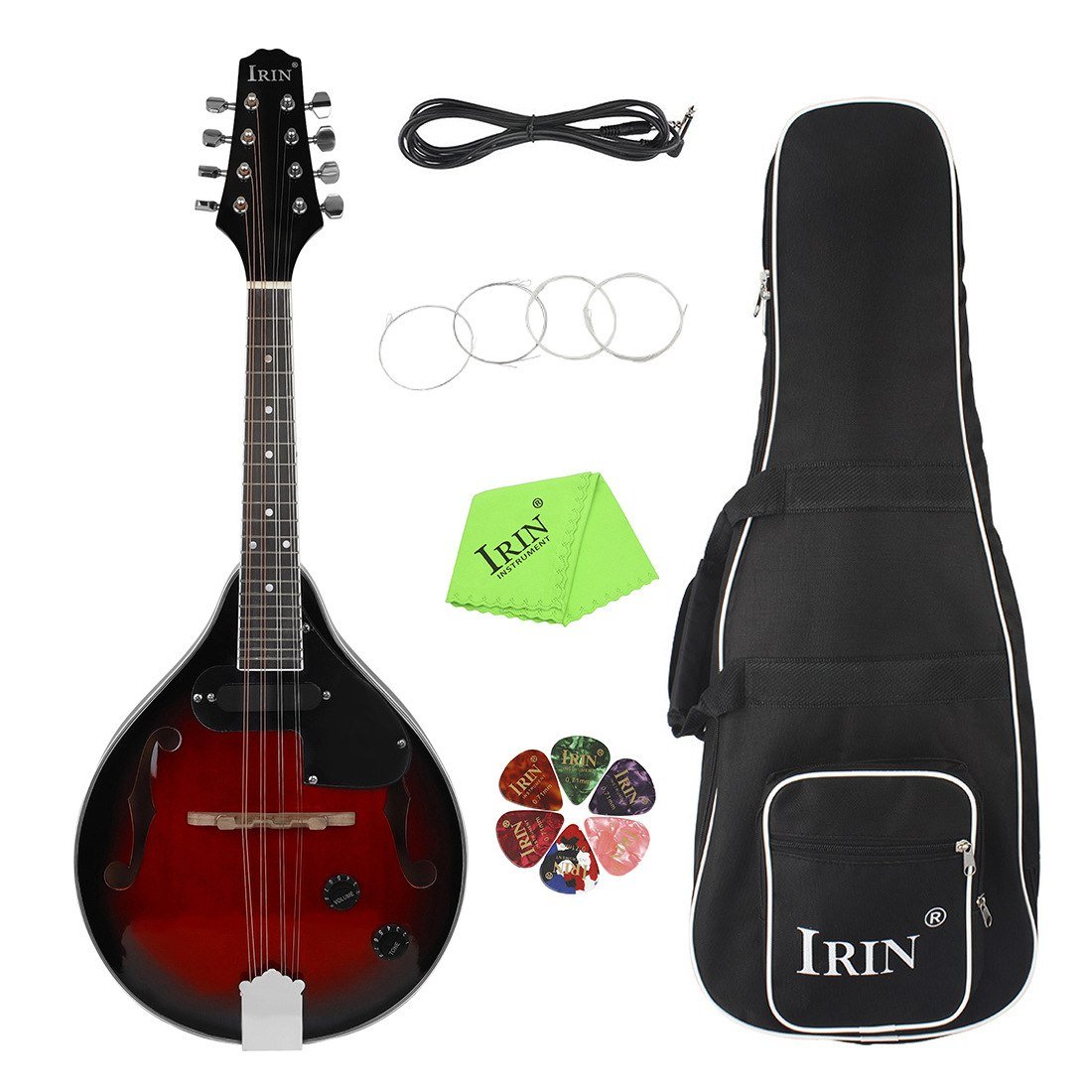
01 / STRINGSA familiar form, still evolving.
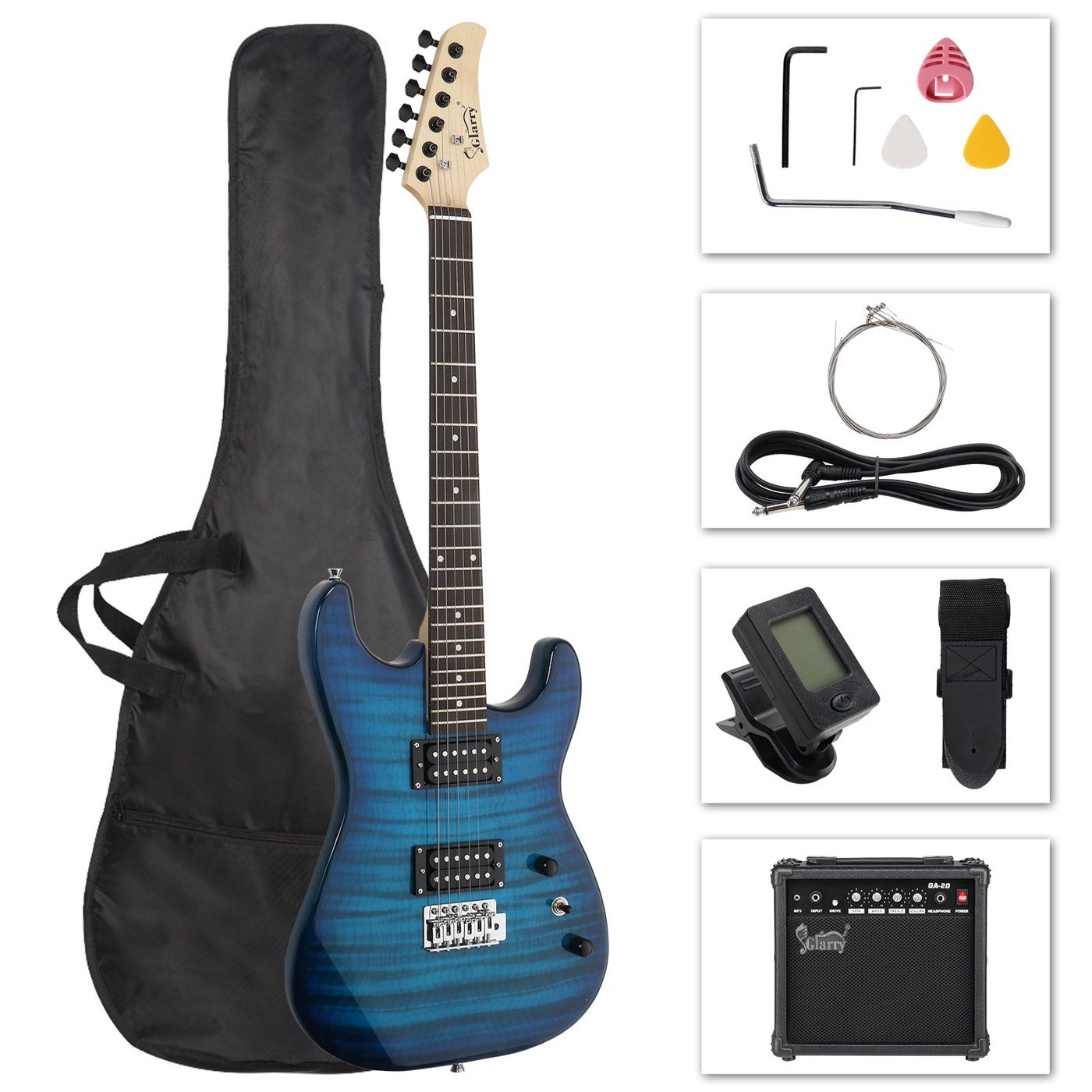
Guitars changed through the Renaissance and Baroque periods. Around 1800, six single strings became an increasingly familiar format. Later electric instruments opened up different ways to shape and amplify that sound.
Explore guitar history at The Met ↗02 / RHYTHMPlaying is a physical act.
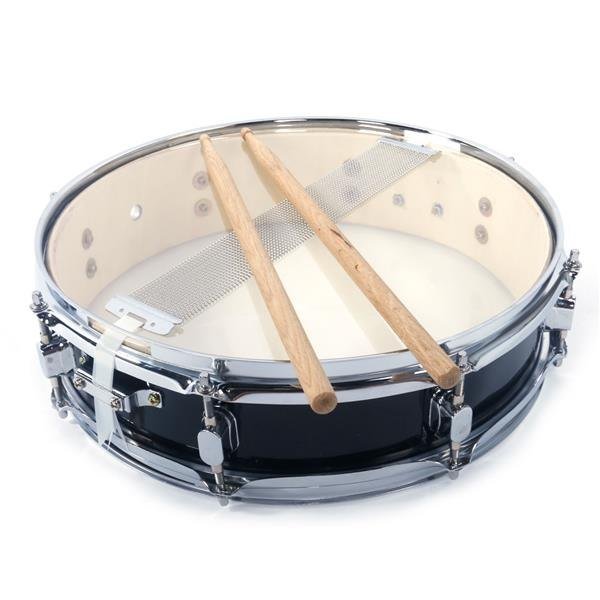
In percussion, the gesture is part of the music: a strike, a pause, a repeated pattern. Snare drums and the hardware around them give players another way to explore timing, texture and expression.
03 / AMPLIFICATIONFrom vibration to a shared sound.
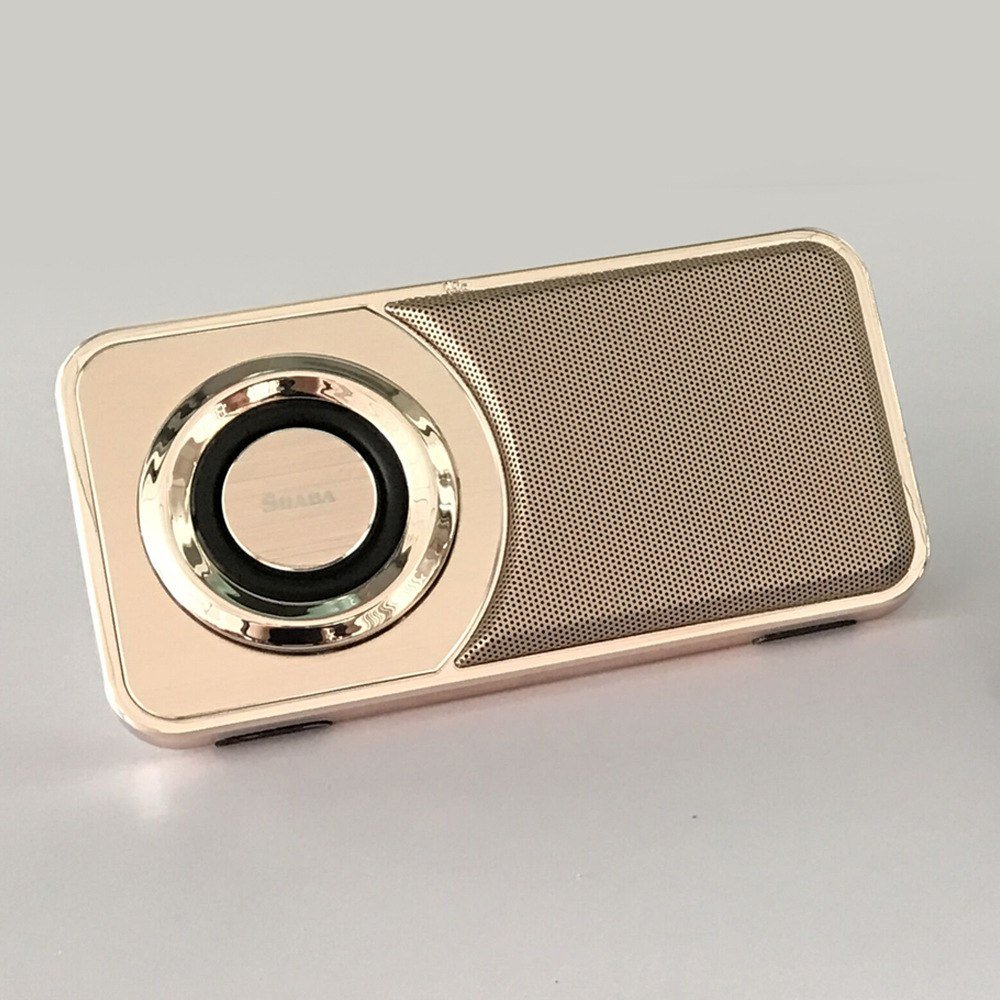
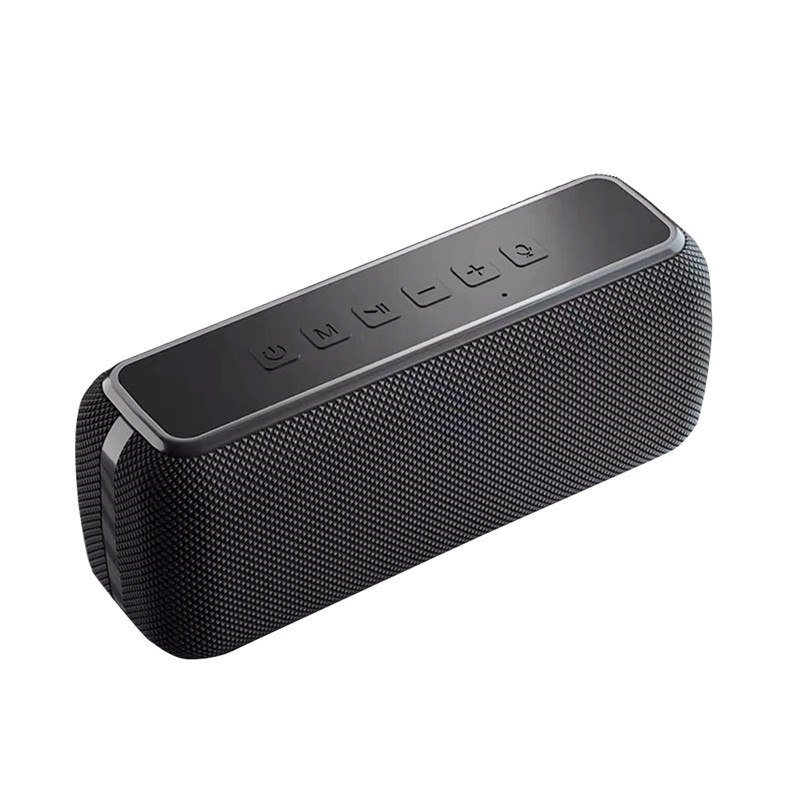
Electrical amplification became an important part of the guitar’s development as players and makers sought more volume. Today, an instrument amplifier and a Bluetooth listening speaker serve different jobs—choose for the connection and use you need.
Explore electric guitar history at Smithsonian ↗